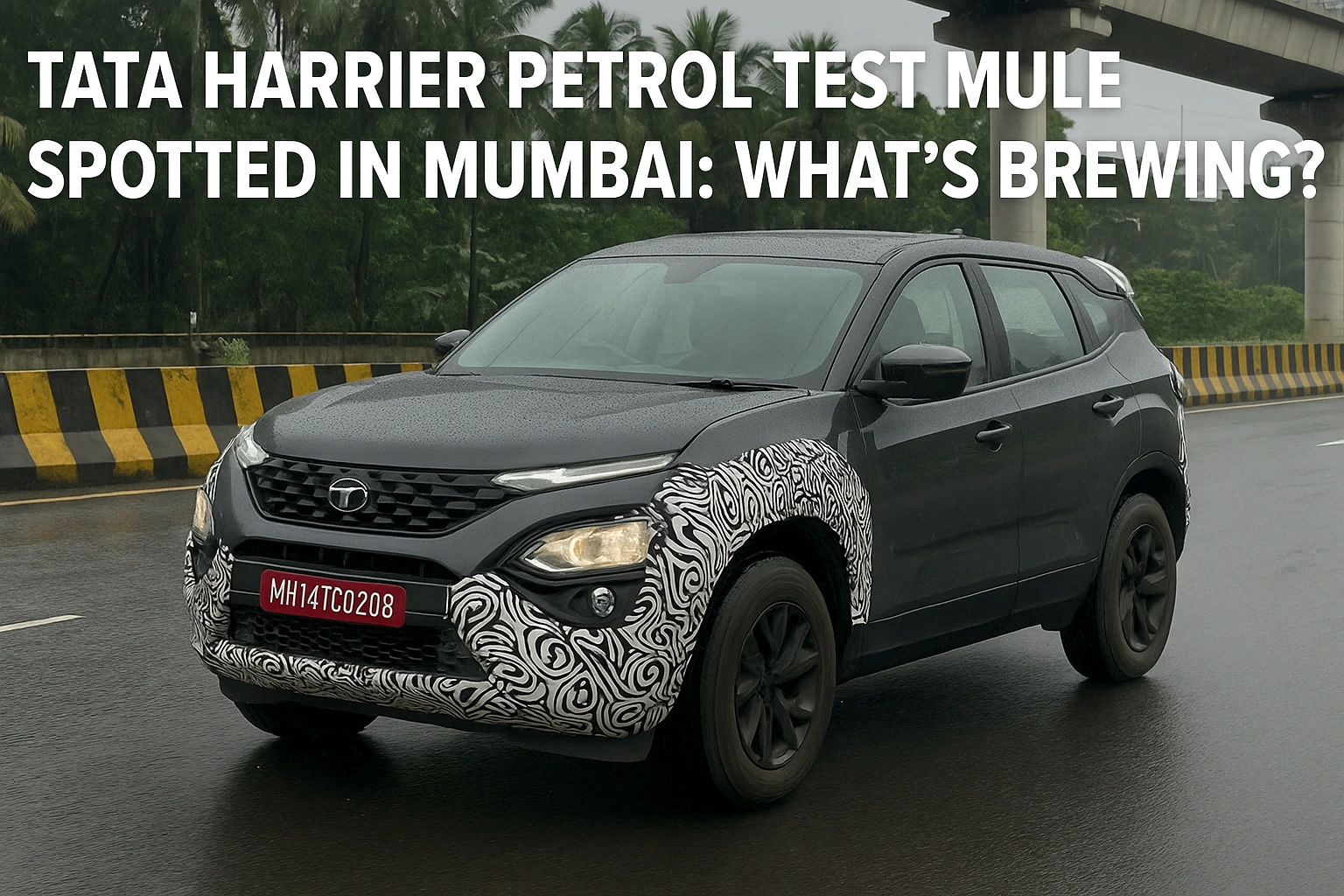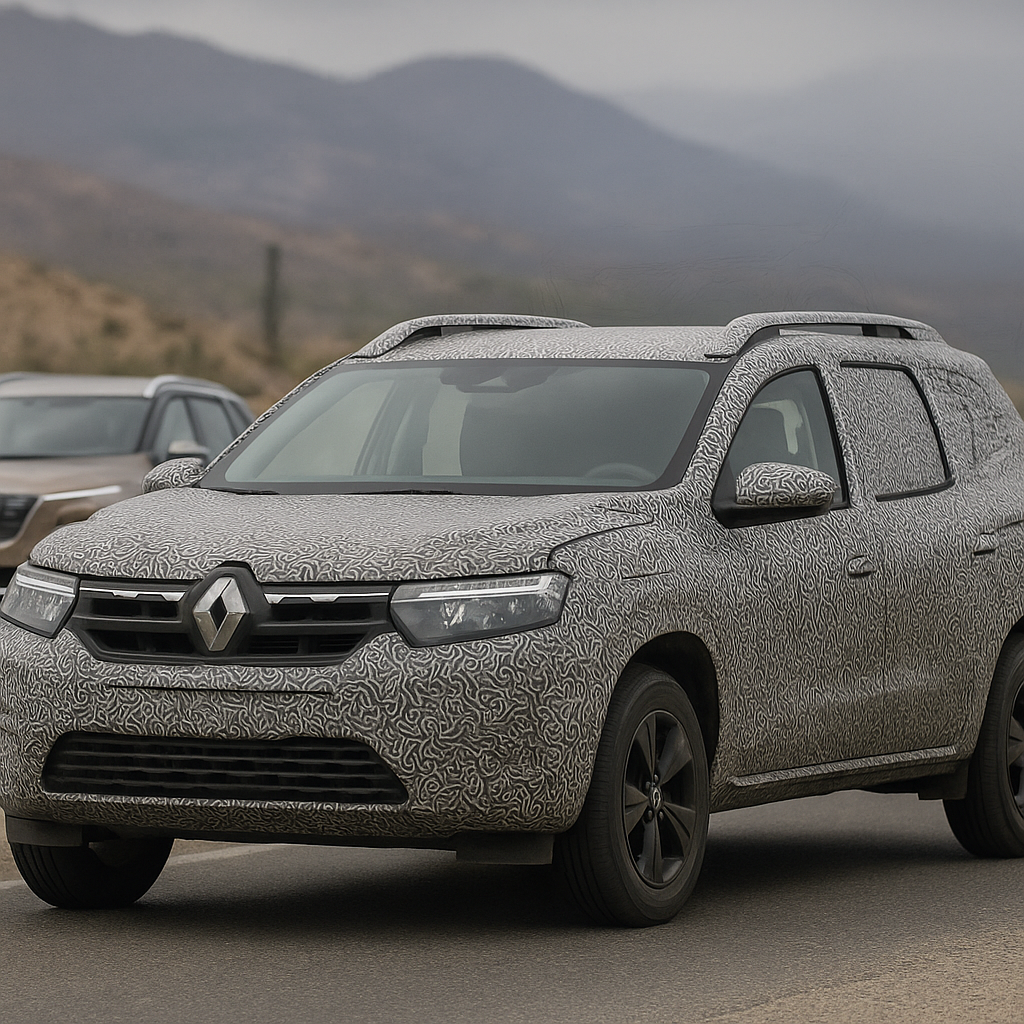
The legend is coming back. Just days after Nissan officially unveiled its all-new Tekton C-SUV, a heavily camouflaged test mule of the next-generation Renault Duster was spotted on Indian roads. For enthusiasts, this is huge news — the Duster nameplate, which once defined the compact SUV segment in India, is finally returning in a completely new avatar.
Though the prototype was fully wrapped, its silhouette and proportions reveal plenty of clues about what’s coming. And given that both Renault and Nissan are co-developing models under their alliance, the new Duster shares its platform and key architecture with the Tekton. Let’s dive into all the details.
The Legacy Lives On: Why the Duster Name Still Matters
The Renault Duster isn’t just another SUV name. It’s a pioneer of India’s compact SUV boom, introducing rugged styling, high ground clearance, and confident handling long before crossovers became trendy.
Between 2012 and 2019, the Duster built a reputation for being:
- Tough and reliable on Indian roads
- Comfortable yet capable off the beaten track
- Value-driven without compromising driving pleasure
While Nissan chose to retire the Terrano badge for the Tekton, Renault appears keen to retain the Duster moniker, respecting the brand legacy and deep emotional connection Indian customers share with it.
Shared DNA: Built on the CMF-B Platform
The upcoming new-generation Renault Duster is based on the Renault-Nissan CMF-B modular platform, the same architecture underpinning the Nissan Tekton and the international-spec Dacia Duster.
This platform brings modern versatility and better safety engineering to Renault’s SUV lineup. It supports multiple powertrain types, including mild-hybrid and strong-hybrid systems, ensuring the new Duster is ready for India’s future emission norms.
The C-SUV dimensions place it squarely in competition with the Hyundai Creta, Kia Seltos, Skoda Kushaq, and Maruti Grand Vitara — all hot sellers in the ₹12-20 lakh price band.
Exterior Design: Modern Muscle Meets Duster DNA
Although wrapped under thick camouflage, the prototype still reveals design clues consistent with Renault’s global SUV styling. Here’s what can be observed and expected:
Front Profile
- Y-shaped LED daytime running lamps (DRLs) — a signature Renault styling element.
- A wide horizontal grille with bold slats and integrated Renault emblem.
- Sleek LED projector headlights likely connected through a chrome or gloss-black strip.
- Chunky front bumper with a large central air dam and possible silver skid plate for a rugged stance.
Side View
- The Duster’s boxy, upright silhouette remains intact.
- Strong wheel arches with black cladding give it a muscular presence.
- Roof rails and raked A-pillar maintain the SUV’s signature adventurous look.
- Expect 17- or 18-inch diamond-cut alloys in top variants.
Rear Section
- Slim LED tail-lamps connected by a black applique.
- Revised tailgate with the ‘DUSTER’ name embossed in bold lettering.
- Clean bumper design with dual reflectors and faux-skid treatment.
In all, the new Duster will look modern yet rugged — balancing urban sophistication with off-road readiness.
Interior and Features: Premium Yet Purposeful
Inside, the new-gen Duster is expected to feel completely transformed compared to the older generation. Renault has reportedly focused on a tech-forward yet practical interior that will appeal to young SUV buyers.
Expected key features include:
- 10.1-inch touchscreen infotainment system with wireless Android Auto & Apple CarPlay
- Full digital instrument cluster for the driver
- Level 2 ADAS (Advanced Driver Assistance System) features such as adaptive cruise control, lane-keep assist, and forward collision warning
- 360-degree camera with parking sensors
- LED ambient lighting across cabin panels
- Panoramic sunroof (a first for Duster)
- Wireless phone charger & multiple USB-C ports
- Connected car suite with remote controls via mobile app
The cabin layout will likely use premium soft-touch materials, dual-tone upholstery, and a floating center console with storage enhancements.
Given Renault’s emphasis on safety, the SUV is expected to achieve 5-star Global NCAP compliance, with six airbags, ABS with EBD, electronic stability control, TPMS, and hill-start assist across variants.
Powertrain Options: Hybrids Take the Lead
Renault’s next-generation powertrain lineup reflects the global shift towards electrification, and the new Duster will be no exception.
Engine Options
- 1.2-litre turbo-petrol + 48V mild-hybrid system
- Power: ~130 bhp
- Transmission: 6-speed manual or dual-clutch automatic (DCT)
- Focus: Strong mid-range torque and efficiency for city/highway use
- Power: ~130 bhp
- 1.6-litre petrol + 1.2 kWh strong-hybrid system (dual motor)
- Power: ~140 bhp combined output
- Transmission: e-CVT automatic
- Focus: Better fuel efficiency and lower emissions
- Power: ~140 bhp combined output
Drivetrain
- Front-wheel drive as standard
- Top-spec 4×4 variant expected with terrain modes (sand, mud, snow) — continuing the Duster’s off-road legacy
These hybrid setups aim to deliver balanced performance, smooth drivability, and real-world mileage benefits, giving Renault an edge in an increasingly eco-conscious market.
Technology and Driving Aids
In addition to ADAS, the Duster is expected to feature several intelligent driving technologies:
- Drive modes (Eco, Sport, Normal)
- Auto start-stop for better efficiency
- Regenerative braking in hybrid variants
- Voice-activated controls using natural speech recognition
- OTA (Over-the-Air) software updates
These systems will make the Duster not just modern but also future-ready, aligning with Renault’s global “Electrify & Innovate” roadmap.
Platform Benefits: Global Engineering for Indian Conditions
The CMF-B platform offers structural rigidity and flexibility for various global markets. Its modular nature allows for:
- Enhanced crash safety and torsional strength
- Improved NVH (noise, vibration, harshness) insulation
- Ability to accommodate both ICE and hybrid powertrains
- Better ride and handling balance, thanks to a new suspension geometry
In simpler terms, the next-gen Duster will drive better, feel safer, and age more gracefully than before.
Expected Launch Timeline and Pricing
Industry insiders expect the new Renault Duster to debut in mid-2026, following the commercial launch of the Nissan Tekton. Renault will likely position it strategically below Tekton’s pricing to attract value-conscious SUV buyers.
Estimated Price Range (Ex-Showroom):
- Base variant: ₹12 lakh (approx.)
- Mid variants: ₹14 – 16 lakh
- Top hybrid AWD variant: ₹19 – 20 lakh
Given its legacy, capability, and now-modern features, the Duster will once again target families, enthusiasts, and adventurers who want a genuine SUV feel without crossing luxury-segment prices.
Rivals in Sight
When launched, the new-gen Duster will compete with:
- Hyundai Creta
- Kia Seltos
- Maruti Suzuki Grand Vitara
- Toyota Urban Cruiser Hyryder
- Skoda Kushaq
- Volkswagen Taigun
However, its hybrid options and 4×4 drivetrain could help it carve a niche of its own, appealing to buyers who want both sophistication and strength.
Conclusion: A Modern Revival of an Indian Classic
The new-gen Renault Duster, spied testing soon after the Nissan Tekton’s reveal, represents the rebirth of a legend. Built on a global platform, loaded with technology, and tuned for modern India, it promises to deliver what the original Duster always stood for — robustness, comfort, and confidence — but with a contemporary twist.
With hybrid powertrains, ADAS, panoramic sunroof, and its unmistakable Duster DNA, this SUV could once again redefine the mid-size SUV space. And if Renault gets the pricing right, it might just reclaim the crown it once wore proudly.