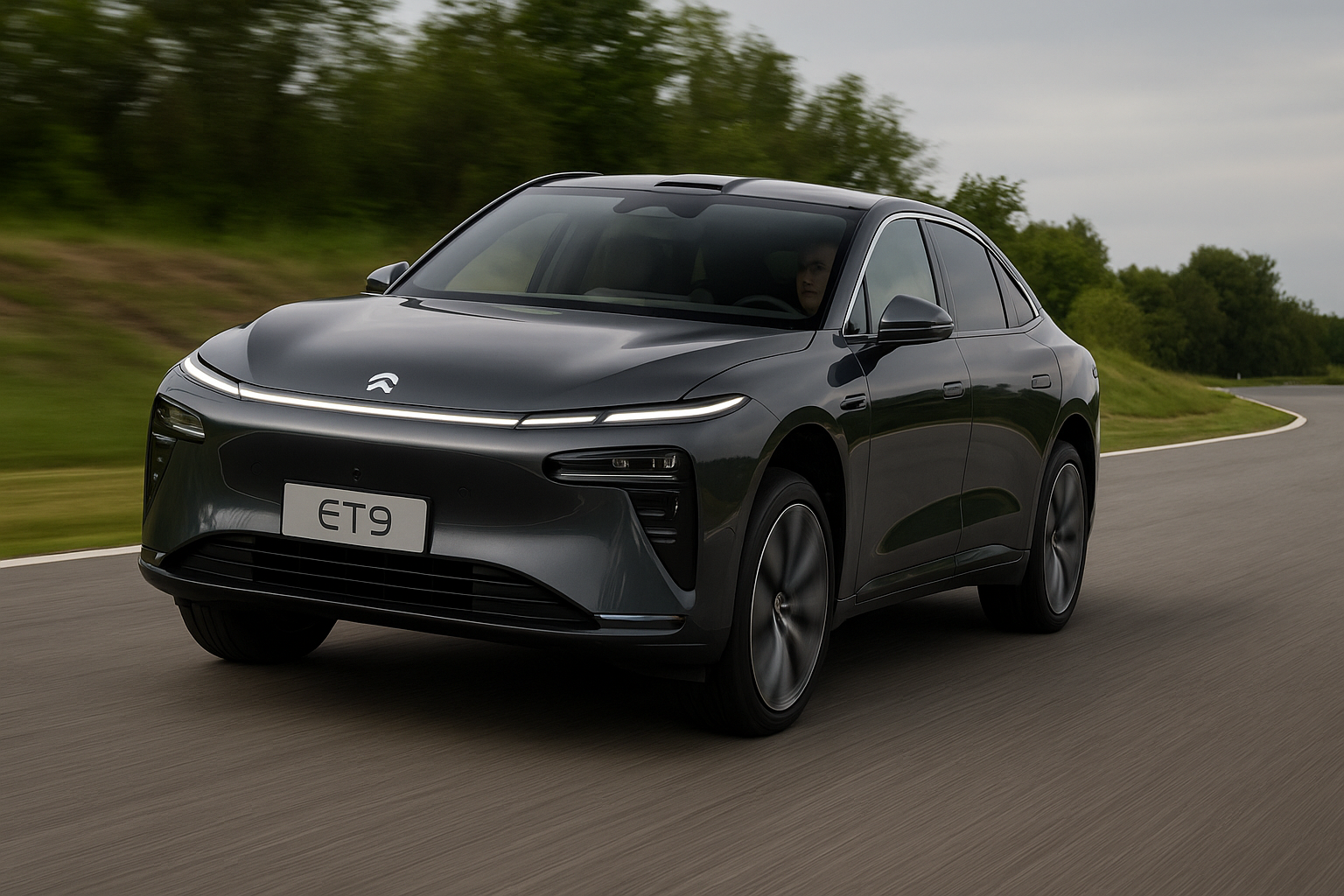
Adaptive damping has been common in modern cars for several years — it adjusts how stiff the shock absorbers are based on driving mode or road conditions. But what Nio has introduced via its SkyRide system is different: it is a fully active suspension system, meaning the vehicle’s body and wheels can be moved actively by hydraulics and electronics — not simply reacted to by damping. This is rare in road cars. Indeed, Nio and its partner ClearMotion describe SkyRide as “the world’s first fully integrated hydraulic fully active suspension”. Autocar+2MotorTrend+2
Let’s unpack how it works, why it matters, and what benefits it offers both for ride comfort and vehicle control.
In simple terms, conventional suspension systems consist of springs, dampers (shock absorbers) and sometimes air or variable systems. The spring supports the vehicle’s weight; the damper controls how fast the spring oscillates after a bump. Adaptive suspension modifies the damping rate.
By contrast, a fully active suspension uses additional hardware — such as hydraulic or electromechanical actuators — which can move the vehicle body relative to the chassis or wheels, in response to sensors and control logic. In other words: it doesn’t just react to motion; it changes the motion proactively.
The Nio SkyRide system uses hydraulics and sensors so each wheel’s actuator can adjust in real time (thousands of times per second) to counter body roll, pitch, bounce — or even assist in raising or lowering parts of the body for entry/exit or impact protection. Autocar+1
Key Technical Features of SkyRide
- Independent actuator units at each wheel: According to reports, each corner has its own hydraulic actuator unit that can adjust wheel movement and body position in real time. MotorTrend+1
- Response rate: The system can make hundreds to thousands of adjustments per second. For example: “1,000 torque adjustments per second” in the actuator units. MotorTrend+1
- Integration with other vehicle systems: SkyRide ties into steer-by-wire, braking and body control systems so that it can handle events like tyre blowouts by immediately adjusting body posture for stability. Autocar
- Ride-height and body posture control: For instance, the system can raise or lower the body or a corner if sensors detect a possible impact, improving collision readiness or ease of entry. Autocar+1
- Energy usage: Despite its power, SkyRide is designed to keep power consumption manageable. In one case the draw during an exuberant demo was around 10 kW peak. MotorTrend
Why Nio Is Using It — The Benefit
- Improved Ride Comfort: With active control, body motion over bumps or undulations can be reduced significantly — Nio claims as much as ~75% reduction in in-cabin motion compared to conventional suspension. Autocar
- Better Handling: By actively countering roll, pitch and dive, the car stays flatter during cornering or braking — improving driver confidence and performance.
- Safety Enhancements: The system’s integration with other vehicle systems allows it to respond dynamically in critical moments — such as tyre failure or collision preparation. MotorTrend
- Versatility & Experience: Beyond everyday driving, features like automatic lowering for entry/exit, or special “demo” modes (yes — the car once played tabletop football on its roof by moving body posture!) show that such a system offers novel customer value. CarNewsChina.com
How It Differs from Traditional Systems
- Passive suspension: Spring + damper = fixed behaviour, no adaptation.
- Adaptive suspension: Alters damper stiffness or air spring pressure reactively.
- Fully active suspension (SkyRide): Uses actuators to move the body or wheels actively, not just adjust resistance.
The difference means the car can anticipate or react to inputs faster, shape its posture proactively, and deliver dynamics that were previously limited to race cars or ultra-luxury vehicles.
Applications in the Real World
Here are some real-world examples of what SkyRide can do:
- Tyre blowout scenario: If a wheel blows at high speed, the system detects the change, uses braking and body control to stabilise the car before the driver even reacts. Autocar
- Input anticipation: Using sensors and mapping, the system can detect road undulations ahead and prepare the suspension accordingly — reducing impact felt by passengers. designbivoauc
- Comfort mode: During motorway stretches or rough roads, the system minimises body motion, keeping the ride exceedingly smooth.
- Showcase functions: In certain demos, the vehicle lowered itself, vibrated the body to demonstrate suspension travel or played interactive functions tied to in-car entertainment. MotorTrend
Why This Matters in EVs
Electric vehicles (EVs) bring new design freedoms: lower centre of gravity, heavy batteries, fewer mechanical linkages. But they also heighten expectations for comfort, refinement and smoothness. A system like SkyRide fits perfectly: it enhances comfort, offsets heavy battery mass, and elevates driving dynamics — helping EV makers differentiate in a crowded market.
Considerations & Challenges
- Complexity and Cost: Fully active suspension is expensive to engineer and implement. Its cost and servicing demands may restrict it initially to premium models.
- Energy use: Although designed to be efficient, the actuator system still consumes power — balancing performance and range in an EV is crucial.
- Reliability & Maintenance: More moving parts and electronics mean more potential points of failure. Long-term durability will be key for broad adoption.
- Market readiness: While the tech is impressive, the real-world user benefits must be tangible and packaged in a reliable, cost-effective way for mass adoption.
The Bottom Line
Nio’s SkyRide system is a clear leap forward in suspension technology for the road car. By combining hydraulics, sensors, software and integration into vehicle systems, it delivers ride comfort, handling and safety that were previously hard to achieve simultaneously.
For buyers and manufacturers, it signals how future premium EVs will not only electrify powertrains but rethink every aspect of the driving experience — including suspension. As the technology matures and costs come down, elements of fully active systems may filter into broader vehicle segments.
But for now, SkyRide sets a benchmark: offering comfort that feels luxurious, dynamics that feel sporty, and control that feels futuristic.